Privacy is one of those things that can completely change how comfortable a home feels. Whether your windows face a busy street, your backyard is visible to neighbors, or your outdoor seating area feels a little too exposed, having some personal space matters.
But creating privacy doesn’t always mean building a tall fence or spending thousands on renovations. Sometimes, a few thoughtful changes can make your home feel more secluded without blocking natural light or making your space look closed off.
If you want to enjoy your home without feeling like everyone can see what you’re doing, here are 10 simple ways to create more privacy without building a fence.
1. Use Tall Plants to Block Unwanted Views
Plants are one of my favorite ways to add privacy because they make a space feel more natural and inviting. Instead of installing a solid barrier, use tall plants to create a green screen around exposed areas.
Bamboo, ornamental grasses, arborvitae, and tall evergreen shrubs are excellent options. You can place them along patios, near windows, or around outdoor seating areas where you want a little more separation.
Large planters are especially useful if you don’t want to plant directly in the ground.
2. Install Decorative Window Privacy Film
If people walking past your home can easily see inside, privacy window film is a simple solution. Frosted, textured, and patterned films make windows less transparent while still allowing natural daylight to enter.
They work particularly well in bathrooms, front-facing windows, entryway glass, and doors with glass panels.
Another advantage is that many window films are affordable, easy to install, and removable. This makes them a practical option for renters who don’t want permanent changes.
3. Layer Sheer Curtains With Heavier Drapes
Sheer curtains are a simple way to make windows feel less exposed without making rooms look dark. They soften incoming sunlight and create a gentle visual barrier during the day.
For better privacy, layer them with heavier curtains or blackout drapes. You can keep the sheers closed during daylight hours and draw the heavier curtains whenever you need complete coverage.
This combination also adds texture and warmth to living rooms and bedrooms.
Just remember that sheer curtains don’t provide reliable privacy at night when indoor lights are on.
4. Create a Natural Privacy Screen With a Trellis
A trellis can make an exposed patio or backyard feel much more secluded without the appearance of a traditional fence.
Choose a wooden, metal, or decorative trellis and let climbing plants grow across it. Jasmine, climbing roses, and other suitable climbing varieties can gradually fill the open spaces.
You can place a trellis beside an outdoor dining area, along a balcony, or near a garden seating corner.
It’s a particularly nice option if you want privacy while keeping your outdoor space decorative.
5. Rearrange Furniture to Create More Privacy
Sometimes, the easiest home improvements don’t cost anything. Rearranging furniture can help you feel less exposed, especially if your living room or bedroom faces a busy street.
Try moving sofas, chairs, or beds away from directly exposed windows. Position seating toward interior walls or create a more private conversation area using furniture placement.
A tall bookshelf, console table, or large indoor plant can also help separate an exposed area from the rest of the room.
Small changes in layout can make everyday activities feel much more comfortable.
6. Add Freestanding Outdoor Privacy Screens
Freestanding privacy screens are a great alternative to permanent fencing. They come in different materials, including wood, bamboo, metal, and weather-resistant decorative panels.
Place one beside your patio furniture, outdoor dining table, or balcony seating area to block direct views from neighboring properties.
You can also choose folding screens that are easy to move whenever you want to change your outdoor layout.
Look for designs that allow some airflow while still providing enough coverage.
7. Install Adjustable Blinds or Window Shutters
Blinds and shutters give you more control over privacy than ordinary curtains. You can adjust their position throughout the day to reduce outside visibility while allowing sunlight to enter.
Wooden blinds, Roman shades, roller blinds, and plantation shutters can all work depending on your home’s style.
For example, adjustable horizontal blinds are useful for windows facing neighboring houses because you can tilt the slats to limit direct views without completely darkening the room.
They also add a neat, finished appearance to your windows.
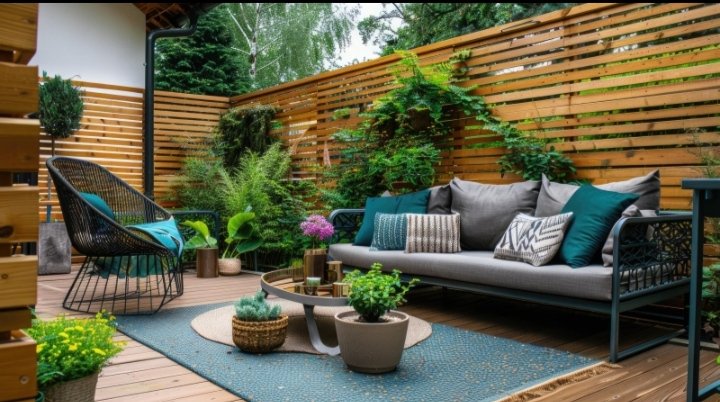
8. Use Outdoor Planters to Separate Seating Areas
You don’t always need tall structures to create a sense of privacy. Sometimes, arranging large planters around a seating area is enough to make it feel like a separate little retreat.
Choose a combination of different-sized containers and fill them with leafy plants, ornamental grasses, or small shrubs.
Place them around the edges of a patio, balcony, or garden seating area.
This approach works especially well in smaller outdoor spaces where a large privacy screen might feel overwhelming.
9. Use Smart Lighting to Make Outdoor Spaces More Comfortable
Lighting can help create a more comfortable and welcoming outdoor environment, particularly in the evening.
Instead of using harsh lights that illuminate every corner, try warm pathway lights, subtle wall lights, and soft landscape lighting around plants.
You can also use motion-sensor lights near entrances and less visible pathways.
Although lighting doesn’t physically block outside views, thoughtful placement can make outdoor areas feel more defined and comfortable.
For actual nighttime privacy, combine lighting with curtains, blinds, or suitable window coverings.
10. Make Better Use of Fences, Walls, and Existing Structures
Even if you don’t want to build a new fence, you can make better use of the structures already around your property.
Try adding decorative panels to an existing low wall, placing tall planters beside exposed boundaries, or using outdoor curtains beneath a covered porch or pergola.
You can also position a small pergola over a seating area and add weather-resistant curtains that can be opened or closed whenever needed.
These changes create a more personal outdoor space without requiring a major construction project.
Final Thoughts
Making your home feel more private doesn’t have to involve expensive renovations or completely closing off your outdoor space. Simple additions such as tall plants, window films, layered curtains, decorative screens, and better furniture placement can make a noticeable difference.
The best approach is to identify the areas where you feel most exposed and choose solutions that suit your home’s layout, budget, and style.
A little privacy can make everyday moments feel more peaceful, whether you’re enjoying your morning coffee, relaxing in the living room, or spending time outside.
Which of these privacy ideas would you try first in your home?