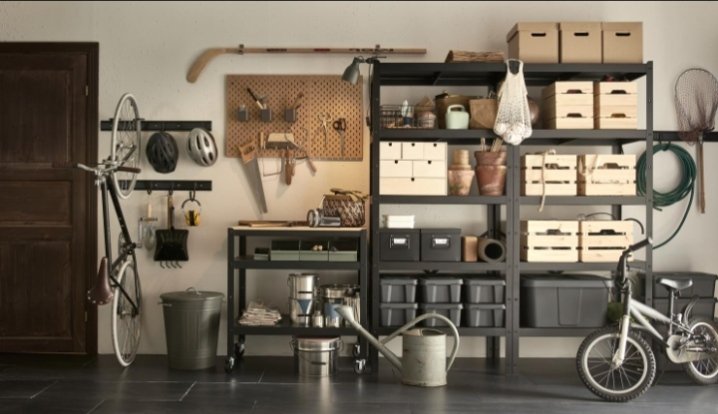
The garage often becomes the easiest place to put things we don’t know where else to keep. From leftover paint and cleaning supplies to seasonal decorations and old furniture, it’s tempting to use every available corner for extra storage.
But not everything belongs in the garage. Temperature changes, humidity, pests, and poor ventilation can damage certain belongings or even create safety hazards. Some items may become unusable, while others can attract insects, develop mold, or increase the risk of fire.
If you’re using your garage as extra storage space, here are 12 things you should never keep there and better places to store them instead.
1. Paint Cans and Leftover Paint
Paint might seem perfectly fine sitting on a garage shelf, but extreme temperatures can affect its consistency and quality. Freezing conditions can ruin latex paint, while excessive heat can cause separation and spoilage.
Where to put them instead: Store leftover paint in a cool, dry, temperature-controlled utility room or interior storage cupboard. Keep containers tightly sealed and away from heat sources.
2. Propane Tanks
Keeping propane tanks inside an attached garage can be dangerous. Even a small leak can allow flammable gas to accumulate, creating a serious fire or explosion risk.
Where to put them instead: Store propane cylinders outdoors in an upright position, in a well-ventilated location away from doors, windows, ignition sources, and direct heat. Follow local fire safety guidelines.
3. Important Documents and Family Photographs
Old photographs, birth certificates, passports, and financial documents can easily be damaged by garage humidity. Temperature fluctuations can also cause paper to deteriorate, stick together, or develop mold.
Where to put them instead: Keep important documents in a dry indoor filing cabinet or fire-resistant safe. Store photographs in archival-quality albums or boxes.
4. Wooden Furniture
Wooden furniture doesn’t always handle garage conditions well. Changes in temperature and humidity can cause wood to expand, shrink, crack, or warp. Unprotected furniture can also attract termites and other pests.
Where to put them instead: Store wooden furniture in a dry, climate-controlled room. If you need to keep it in storage temporarily, use a suitable indoor storage unit.
5. Electronics and Old Appliances
Old televisions, laptops, speakers, gaming consoles, and other electronics can suffer from moisture and extreme temperatures. Condensation may damage internal components, while batteries can deteriorate under unsuitable storage conditions.
Where to put them instead: Keep electronics in a clean, dry indoor closet or storage cabinet. Remove batteries from devices when appropriate and store them according to the manufacturer’s instructions.
6. Canned Food and Pantry Supplies
A garage may seem like a convenient place to store extra groceries, but fluctuating temperatures can affect food quality and safety. Heat can shorten the shelf life of canned goods, while pests may damage packaging.
Where to put them instead: Use a cool, dry pantry or dedicated indoor food-storage cabinet. Keep canned goods away from heat, moisture, and direct sunlight.
7. Cleaning Chemicals
Bleach, pesticides, drain cleaners, and other household chemicals can become hazardous when exposed to excessive heat or incompatible substances. Leaking containers may also create dangerous fumes.
Where to put them instead: Store chemicals in their original, clearly labelled containers inside a secure, well-ventilated utility cupboard, following product instructions. Keep incompatible chemicals separate and out of children’s reach.
8. Wine and Other Temperature-Sensitive Drinks
If you collect wine or enjoy keeping special bottles for celebrations, the garage is not the best place for them. Temperature fluctuations can affect wine quality, while excessive heat can damage its flavour.
Where to put them instead: Use a temperature-controlled wine refrigerator or a cool, dark indoor storage area. Keep bottles away from direct sunlight and frequent temperature changes.
9. Pet Food and Birdseed
Large bags of pet food and birdseed may seem ideal for garage storage, but they can attract mice, rats, ants, and other pests. Humidity can also cause food to become stale or develop mold.
Where to put them instead: Store pet food in a cool, dry indoor cupboard in airtight, food-safe containers. Keep the original packaging or product information available for reference.
10. Musical Instruments
Guitars, violins, keyboards, and other musical instruments are sensitive to environmental changes. Excessive humidity or dryness can damage wooden components, affect tuning, and shorten their lifespan.
Where to put them instead: Keep instruments inside your home in a room with stable temperature and humidity. Use protective cases and avoid placing them near heating or cooling vents.
11. Clothing, Blankets, and Bedding
Extra bedding, winter coats, seasonal clothes, and blankets can quickly absorb moisture in a garage. Cardboard boxes and fabric bags also provide hiding places for insects and pests.
Where to put them instead: Store clean, completely dry clothing in airtight plastic storage bins or breathable garment bags inside an indoor closet. Add appropriate moisture protection when needed.
12. Firewood
Keeping a large stack of firewood inside the garage can introduce insects, termites, and other unwanted pests into your home. Wood can also release moisture, especially when it hasn’t been properly seasoned.
Where to put them instead: Store firewood outdoors on a raised rack, away from the house and other structures. Cover the top to protect it from rain while leaving the sides open for airflow.
A Smarter Way to Use Your Garage
Your garage can still be a useful storage area when you choose the right items. Gardening tools, bicycles, outdoor equipment, car accessories, and durable plastic storage containers are generally better suited to garage conditions.
Before storing anything, consider three things: temperature, moisture, and safety. If an item can be damaged by environmental changes or could become hazardous, find a safer indoor or outdoor storage location.
A well-organized garage isn’t about fitting everything inside. It’s about knowing what belongs there and keeping the things you value protected.
Which of these items do you currently store in your garage? You might be surprised by how many everyday belongings need a better home.