Scrolling through Pinterest and Instagram can make almost any home decor idea look perfect. From spotless white sofas to oversized furniture and beautiful open shelving, everything seems effortless in carefully styled photographs. But real homes are different. We have busy mornings, everyday messes, limited storage, pets, children, and spaces that need to be comfortable as well as attractive.
Some decorating choices look amazing online but become impractical once you start living with them. Here are nine popular home decor trends that may look better in pictures than they do in everyday life.
1. All-White Furniture and Upholstery
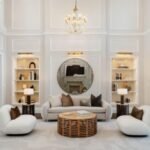
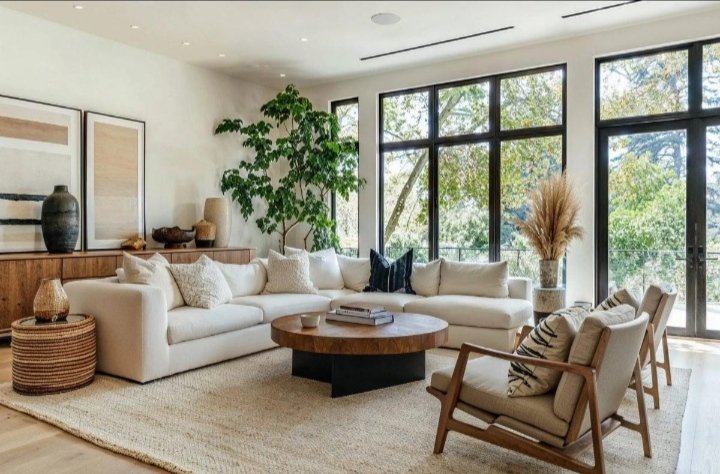
An all-white living room looks fresh, elegant, and expensive in photographs. However, maintaining that spotless appearance can be difficult in a home where people actually sit, eat, and relax.
White sofas, rugs, and dining chairs show stains, dust, and everyday marks much more easily. Even small spills can become noticeable.
A better alternative: Choose cream, beige, warm gray, or textured fabrics with removable and washable covers. You can still achieve a bright, luxurious look without constantly worrying about stains.
2. Open Shelving Everywhere
Open shelving is one of those decorating ideas that looks beautiful in perfectly organized kitchens. Matching plates, glass jars, and carefully arranged accessories create a clean and stylish appearance.
The problem starts when everyday items take over. Open shelves collect grease and dust, and keeping everything organized requires regular effort.
A better alternative: Combine a few open shelves with closed cabinets. Display your favorite dishes and decorative pieces while keeping everyday clutter behind cabinet doors.
3. Oversized Furniture in Small Rooms
Large sofas, chunky coffee tables, and oversized accent chairs often look impressive in spacious interior design photographs.
Unfortunately, placing similar furniture in a small living room can make the space feel crowded. It can also block walking paths and make everyday movement uncomfortable.
A better alternative: Measure your room before buying furniture. Choose slim-profile sofas, raised-leg furniture, and appropriately sized tables to create a more open appearance.
4. Low-Profile Beds Without Storage
Minimalist platform beds look modern and elegant, especially in bedrooms with simple bedding and beautiful lighting.
However, some designs offer little or no under-bed storage. This can become a problem in smaller homes where every available storage area matters.
A better alternative: Consider a platform bed with built-in drawers or a lift-up storage base. You can maintain a clean, minimalist bedroom while creating extra space for blankets, seasonal clothing, and other essentials.
5. Beautiful but Uncomfortable Dining Chairs
Sculptural dining chairs and trendy accent seating can make a dining area look professionally designed.
But appearance does not always equal comfort. Chairs with hard seats, awkward backrests, or unusual shapes can become uncomfortable during longer meals.
A better alternative: Always test dining chairs before purchasing them. Look for supportive backrests, comfortable seat heights, and easy-to-clean upholstery.
6. Delicate Rugs in High-Traffic Areas
Light-colored rugs with long, fluffy fibers look incredibly cozy in bedroom and living room photographs.
In real life, they can collect dust, crumbs, hair, and dirt. Placing delicate rugs near entrances, dining tables, or busy walkways can make maintenance frustrating.
A better alternative: Choose low-pile, washable, or stain-resistant rugs for frequently used areas. Save delicate, plush designs for spaces that receive less foot traffic.
7. Floor-to-Ceiling Curtains That Are Too Heavy
Heavy, dramatic curtains can make a room look luxurious online. Thick fabrics and deep folds create an elegant hotel-inspired atmosphere.
However, oversized curtains can make smaller rooms feel darker and heavier. They may also collect dust and become difficult to wash.
A better alternative: Choose lightweight linen-look curtains or breathable fabrics. Hang them slightly higher than the window frame to create the illusion of taller ceilings without overwhelming the room.
8. Too Many Decorative Accessories
Pinterest bedrooms and living rooms often feature beautiful coffee table books, decorative trays, candles, sculptures, vases, and small accessories.
While these details add personality, using too many can make a real home feel cluttered. Decorative objects also require cleaning and rearranging.
A better alternative: Follow a less-is-more approach. Choose a few meaningful accessories in different heights and textures. Leave some empty space so your favorite pieces can stand out.
9. Trendy Lighting That Isn’t Practical
Oversized pendant lights, exposed bulbs, and decorative lamps can look stunning in professionally photographed interiors.
However, some trendy lighting fixtures provide insufficient illumination for everyday activities. A beautiful pendant may create an atmospheric glow but leave kitchen counters, reading corners, or work areas too dark.
A better alternative: Layer your lighting. Combine ceiling fixtures with table lamps, floor lamps, and task lighting. Choose warm bulbs for relaxing areas and brighter lighting where visibility matters.
Final Thoughts
A beautiful home should look good in photographs, but it should also work for the people living in it. Not every popular Pinterest trend deserves a place in your home, especially when it creates unnecessary cleaning, discomfort, or clutter.
Before copying a decorating idea, think about your daily routine, available space, maintenance requirements, and actual needs. The best home decor choices are not necessarily the most expensive or fashionable ones. They are the ones that make your home feel comfortable, functional, and genuinely yours.
Which of these home decor choices would you avoid in your own home?