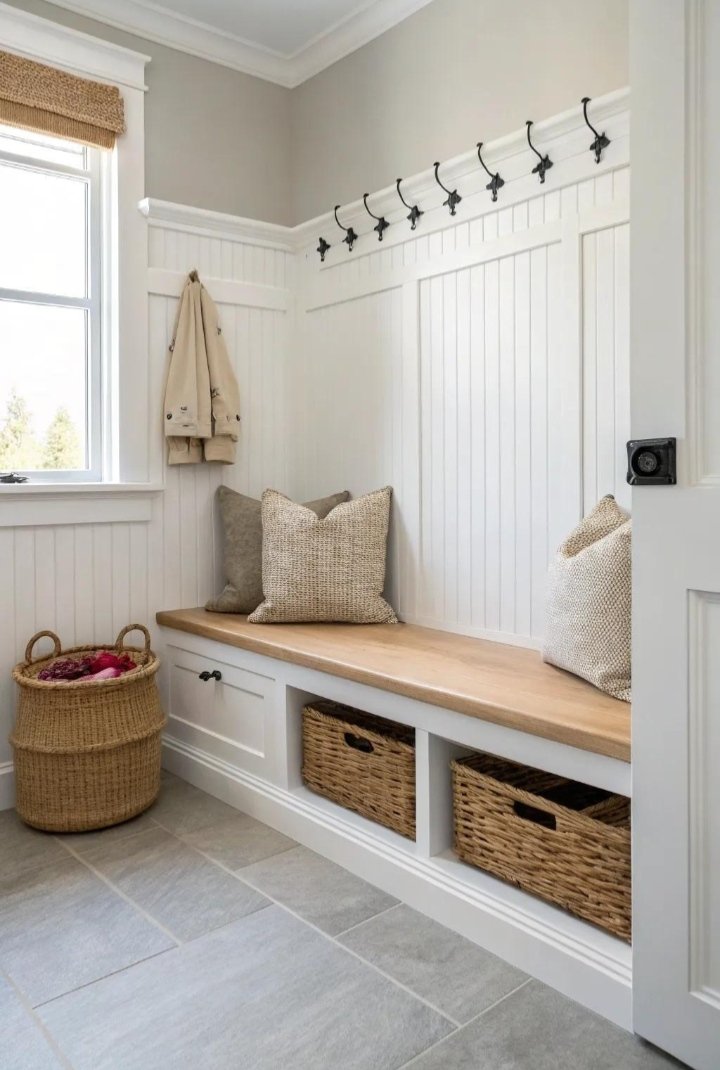
Not every home has a dedicated mudroom, but that doesn’t mean you have to deal with shoes scattered near the entrance, coats hanging over chairs, and bags taking up valuable space. Even a small corner, hallway, or unused wall can become a practical drop zone with a little creativity.
I believe a well-organized entryway makes everyday life easier, especially for busy families. You don’t need a large renovation or an expensive built-in storage system to create a mudroom-inspired space. A few smart furniture choices and simple storage solutions can make a noticeable difference.
Here are 11 mudroom ideas that work beautifully for homes without a dedicated mudroom.
1. Create a Small Entryway Drop Zone
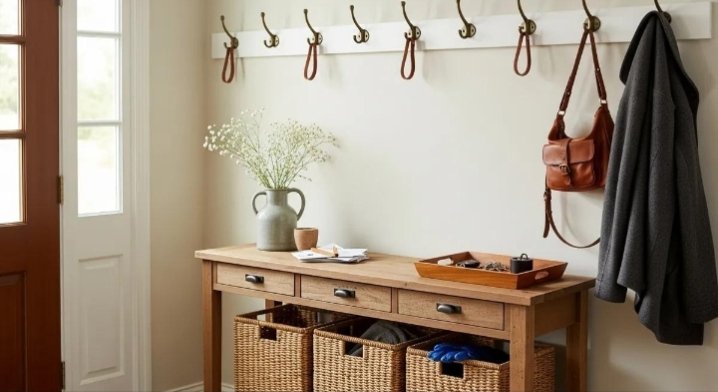
One of the easiest ways to create a mudroom is by turning a small section of your entryway into a drop zone. Place a narrow console table against the wall and add a few hooks above it for jackets, hats, and everyday bags.
I would also add a small basket underneath for shoes or accessories. This arrangement keeps frequently used items in one place without making the entrance feel crowded.
2. Install Wall-Mounted Hooks and Shelves
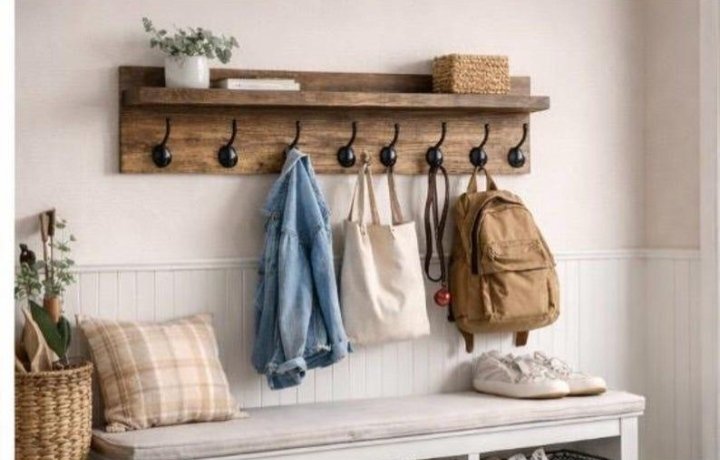
When floor space is limited, using your walls is a smart solution. Install a row of sturdy hooks for coats, backpacks, umbrellas, and reusable shopping bags.
A floating shelf above the hooks can provide additional space for small baskets, sunglasses, and keys. I love this idea because it uses vertical space while keeping the floor clear.
3. Add a Storage Bench Near the Door
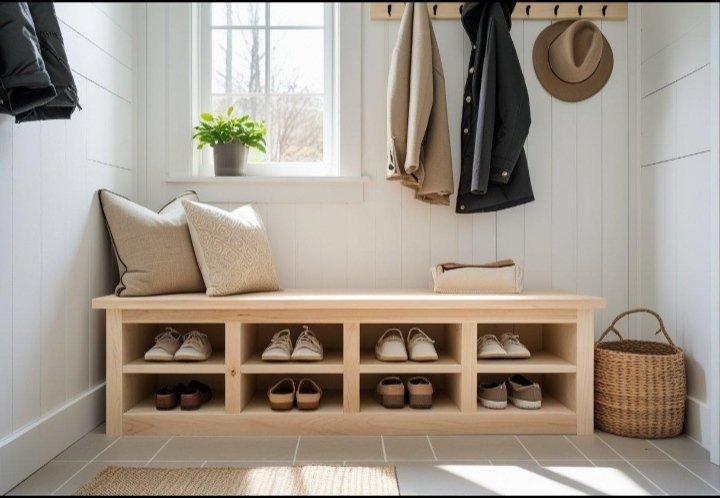
A storage bench is one of the most useful pieces of furniture for a mudroom-inspired entrance. It gives you a comfortable place to sit while putting on or removing shoes.
Look for a bench with hidden storage underneath or open cubbies for everyday footwear. You can also place a few decorative cushions on top to make the area feel welcoming.
4. Turn a Hallway Into a Mini Mudroom
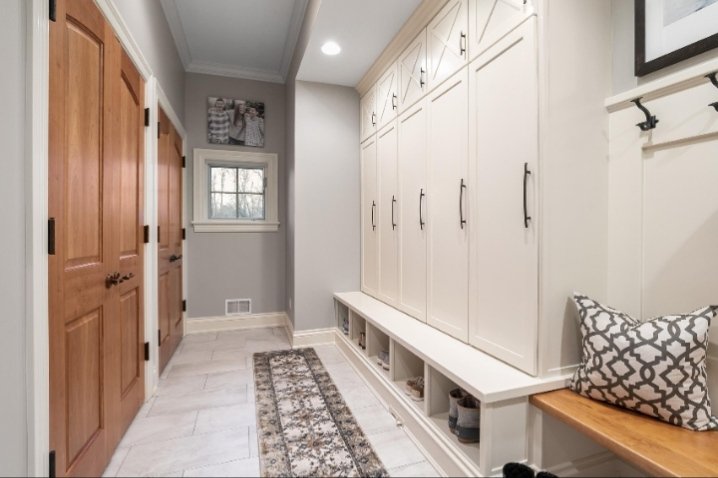
An unused hallway can become a surprisingly functional storage area. Instead of leaving the walls empty, add a slim shoe cabinet, wall hooks, and a small shelf.
If your hallway is particularly narrow, choose shallow furniture that doesn’t interfere with walking space. A runner rug can also help define the area and make it feel more intentional.
5. Use Baskets for Everyday Organization
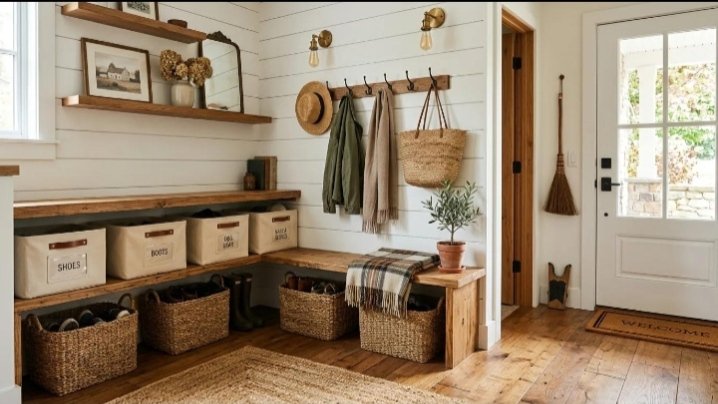
Sometimes, the simplest storage solutions work the best. Woven baskets, fabric bins, and plastic storage containers can help organize everything that usually ends up near the front door.
I recommend assigning one basket to each category, such as shoes, winter accessories, pet supplies, or children’s outdoor toys. Labels make it even easier for everyone in the household to find what they need.
6. Create a Mudroom Inside a Laundry Room
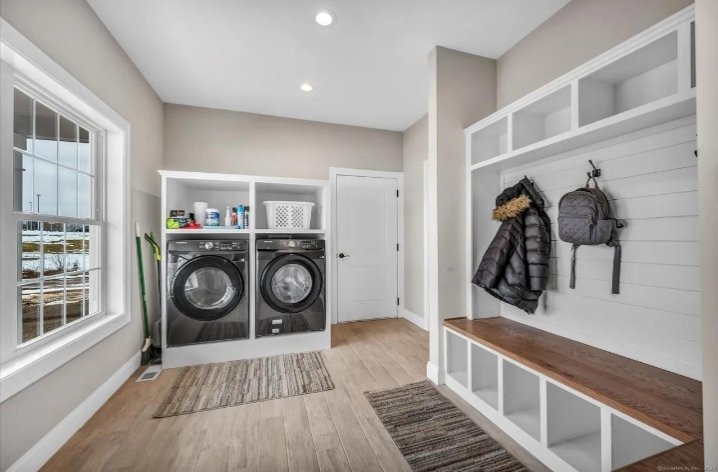
If your laundry room is close to an exterior entrance, it can double as a practical mudroom. Add hooks for jackets, a shoe rack, and a small cabinet for cleaning supplies.
This setup is especially helpful for families who frequently deal with muddy shoes, wet coats, and outdoor clothing. It also keeps dirt away from the main living areas.
7. Make Use of the Space Under the Stairs
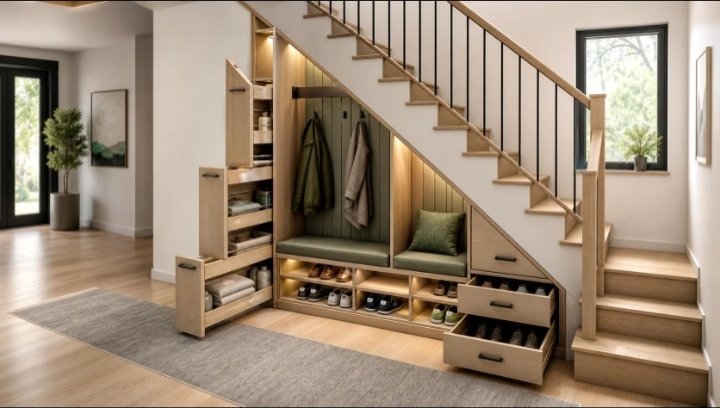
The space underneath a staircase often becomes an unused corner filled with random belongings. Instead, consider transforming it into a compact mudroom.
You can install a small bench, vertical hooks, and built-in shoe drawers. If the area is large enough, add a few cubbies for bags and seasonal accessories.
This idea works particularly well in townhouses and multi-level homes where every square foot matters.
8. Add a Freestanding Hall Tree
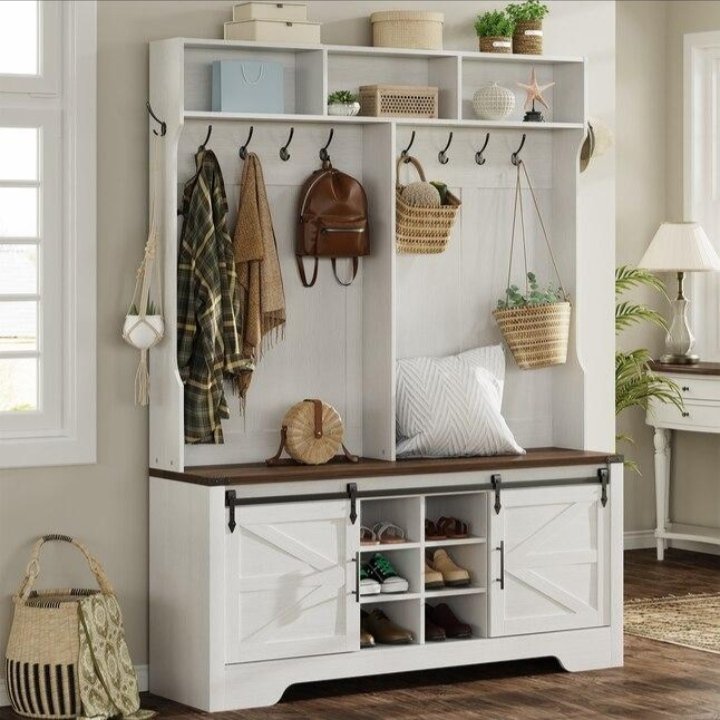
A hall tree is an excellent option if you don’t want to install anything permanently. Most designs combine coat hooks, a bench, shelving, and shoe storage in one piece of furniture.
I particularly like wooden farmhouse-style hall trees because they provide practical storage while adding character to an entryway.
Choose a compact design that fits comfortably beside your front door.
9. Design a Hidden Mudroom Behind a Closet Door
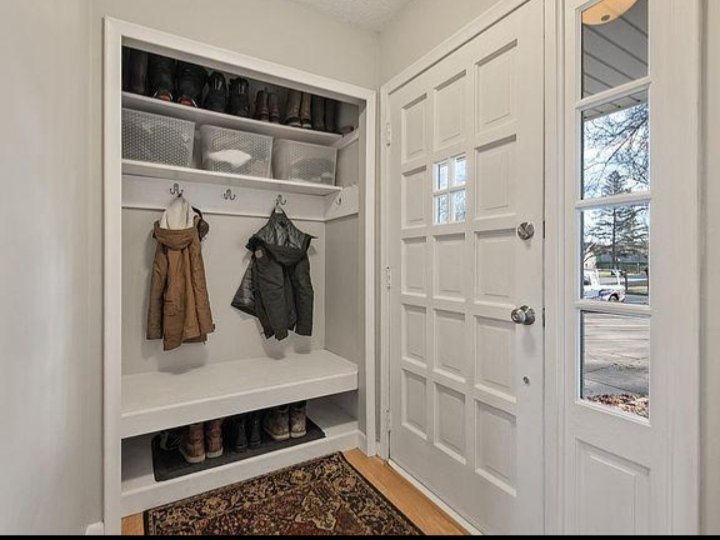
If you have a small unused closet near your entrance, consider converting it into a hidden mudroom. Remove unnecessary items and organize the interior with hooks, shelves, and shoe racks.
You can dedicate the upper shelves to seasonal accessories and use the lower section for shoes and bags.
The best part is that you can simply close the door whenever guests arrive, keeping everything out of sight.
10. Create a Family-Friendly Entryway Station
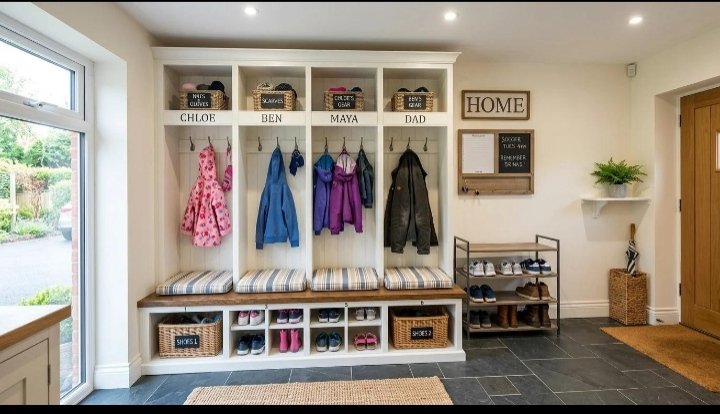
If you have children, creating a separate storage spot for each family member can make everyday organization much easier. Install individual hooks at different heights and add labeled baskets or cubbies for shoes, backpacks, and jackets.
I would also include a small message board or calendar to keep track of school schedules, appointments, and important reminders. This simple setup encourages everyone to put their belongings away instead of leaving them around the house.
11. Use a Room Divider to Define a Mudroom Area
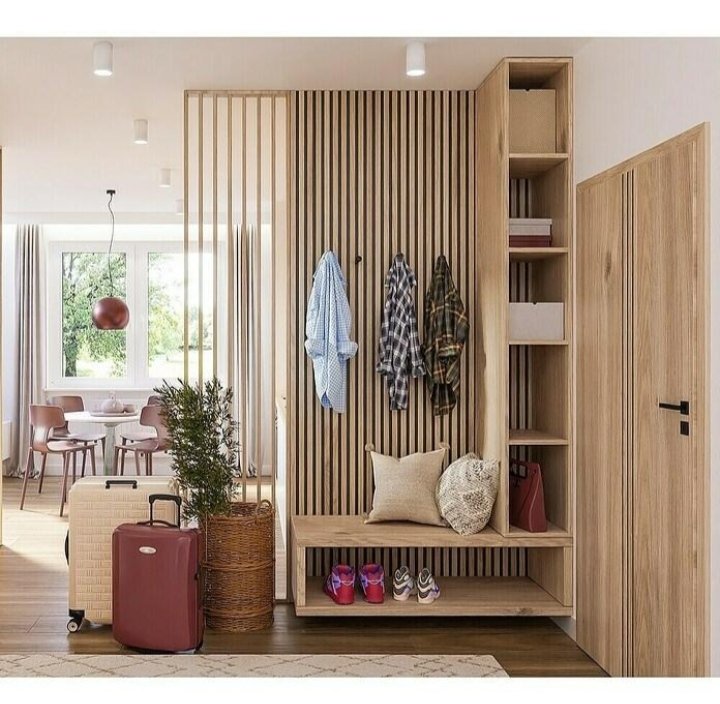
If your front door opens directly into the living room, you can still create a mudroom-inspired space without building a separate room. A narrow room divider, open shelving unit, or decorative screen can help separate the entrance from the rest of your living area.
Place a shoe rack, a small bench, and a few hooks behind the divider to create a functional drop zone. Choose furniture and colors that complement your existing decor so the arrangement feels like a natural part of your home.
Final Thoughts
You don’t need a large house or a dedicated mudroom to keep your entryway organized. With a little planning, even an unused hallway, small closet, or empty corner can become a useful storage area.
Personally, I would start with simple additions like wall hooks, baskets, and a storage bench before investing in expensive furniture. The goal is to create a space where everyday essentials have their own place while keeping your home clean and welcoming.
Which of these mudroom ideas would you try in your home first?