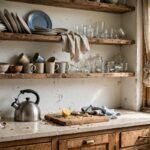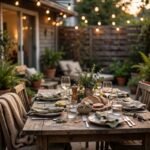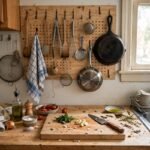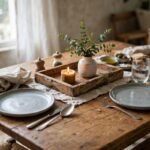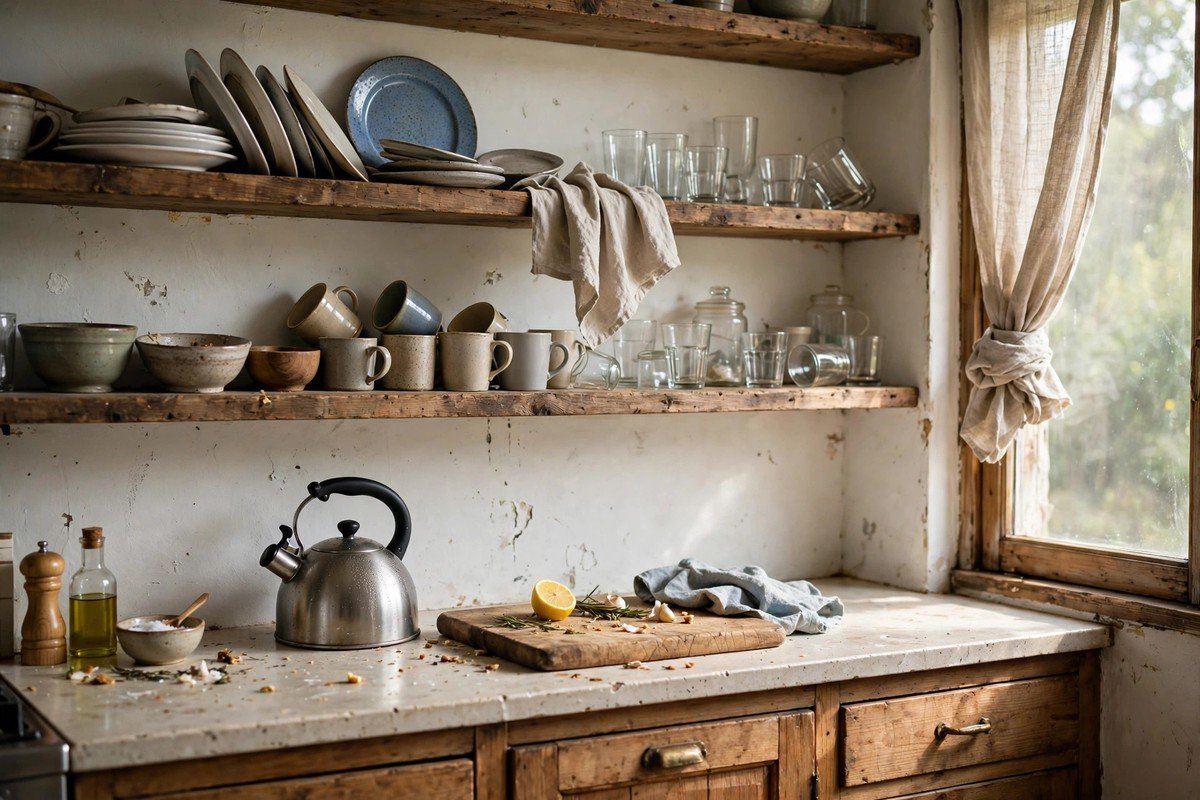
I love how open shelves look in a kitchen, but I learned quickly that pretty is not enough. If I cannot reach my plates when dinner is almost ready, or if the shelves turn into a pile of random things, they stop being helpful. Over time I found a few habits that keep our shelves useful and calm. These are the ideas I actually use, in a kitchen where people cook, eat, and make a mess every single day.
1. Start With What You Reach For Every Day
I put the things we use daily on the easiest shelf to reach. That means our everyday plates, bowls, and two favorite mugs live right where my hand naturally goes. The pretty serving platter we use twice a year sits higher up, and that is fine. When the daily items are easy to grab, the whole kitchen feels easier in the morning and at dinner time.
2. Keep Heavy Pieces Low
Heavy items belong on the lowest shelf, close to the counter. I keep our large mixing bowl, the cast iron pan we use often, and a stack of dinner plates there. It feels safer to lift them down from a low spot, and I do not worry about dropping something on my foot. Lighter things like small bowls and cups can go higher, where a little stretch is no trouble at all.
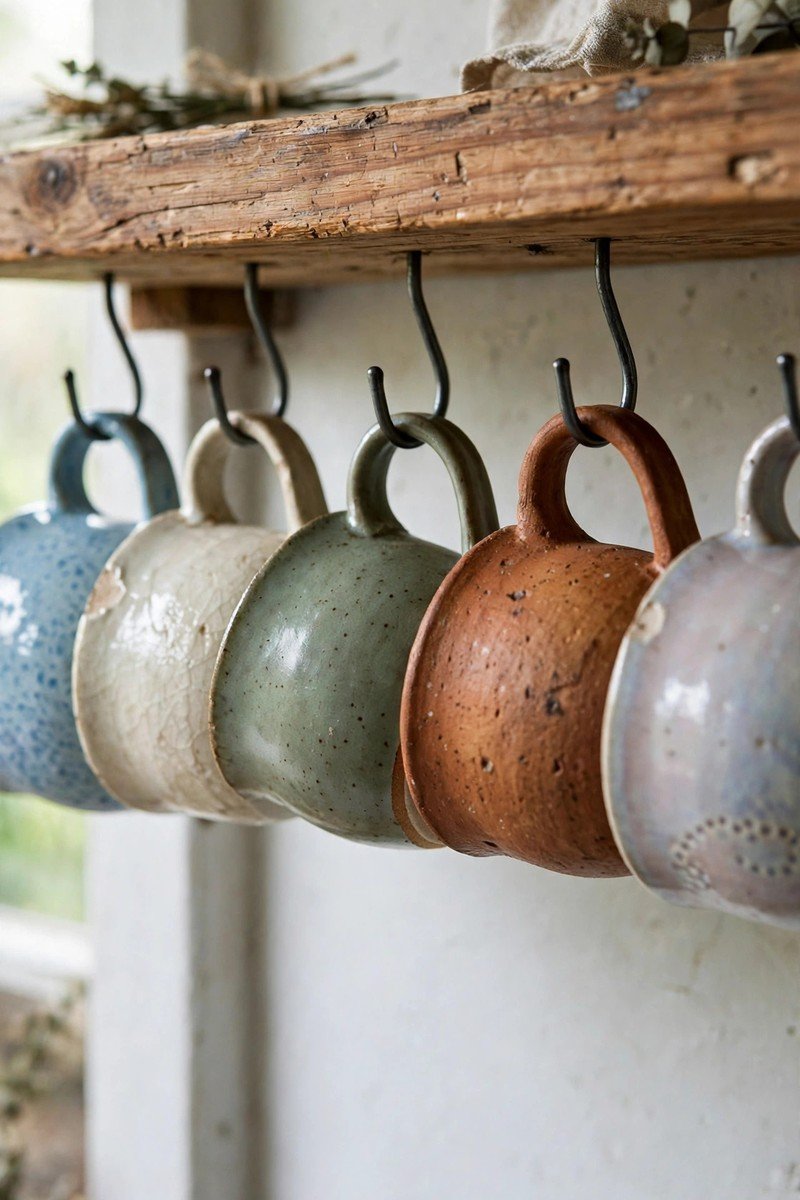
3. Give Mugs a Row of Their Own
Mugs used to take over our shelves because each one was a different size and shape. Now I give them one row, lined up with handles facing the same way, and I keep only the ones we truly use. The rest went into a box in the pantry for guests or for swapping in later. When the row looks tidy, I can pick my morning mug without moving five others out of the way.
4. Group Plates and Bowls by Meal
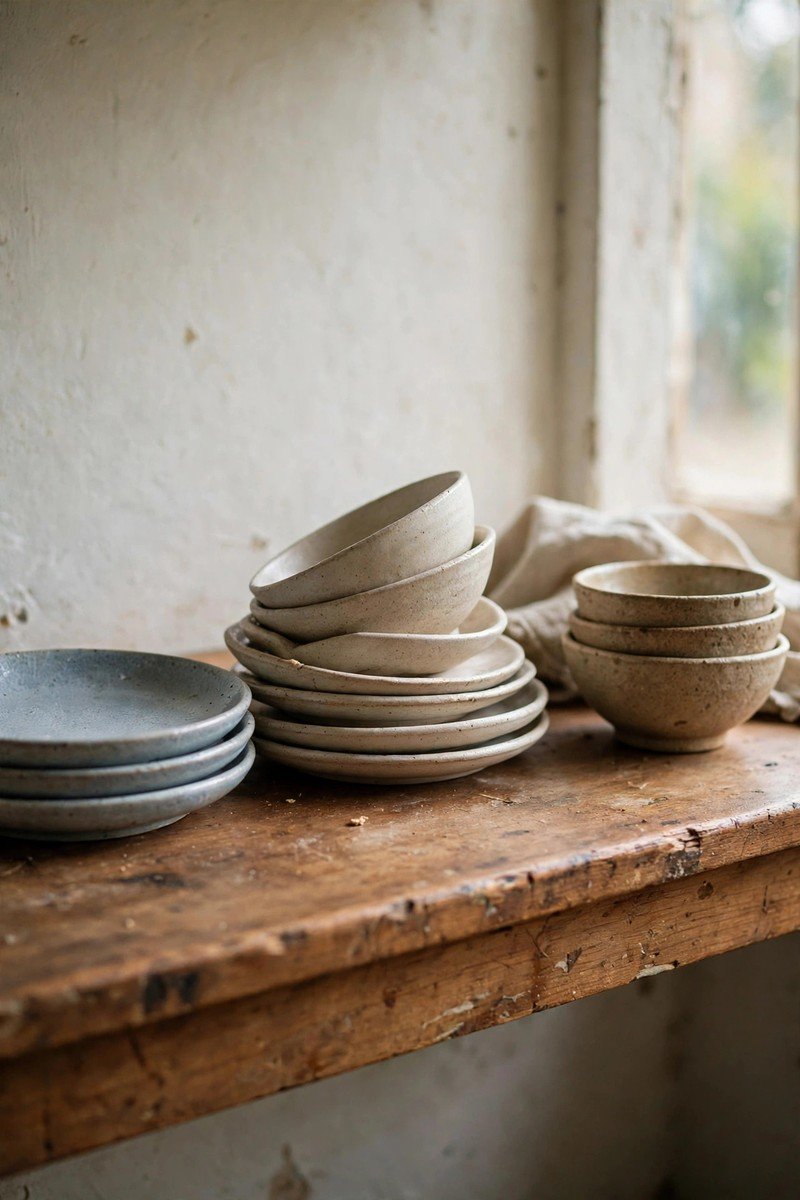
Instead of sorting everything by color or size, I group things by how we use them. Breakfast bowls sit together, dinner plates sit together, and small side plates have their own small stack. It sounds simple, but it saves me from hunting through a tall stack when I am setting the table. I also keep a short stack, not a tall one, so nothing wobbles when I pull a plate from the middle.
5. Leave a Little Breathing Room
I used to fill every inch of shelf space, and the kitchen always looked crowded. Now I leave a small gap at the end of each shelf, and the difference is clear. The gap makes it easier to put a clean plate back, and it gives my eyes a place to rest. A shelf does not need to be full to be useful. A little empty space is part of what keeps it working.
6. Keep Glasses at Hand Height
Glasses are the item my family reaches for most, so they sit at hand height, not up high. I keep everyday water glasses in a neat row, with the taller glasses behind the shorter ones so I can see them all. I rinse and put them back in the same spot each time, which keeps the row from turning messy. When guests come over, I pull out the nicer glasses from a higher shelf, and the everyday ones stay right where they belong.
7. Add a Small Spot for Cooking Basics
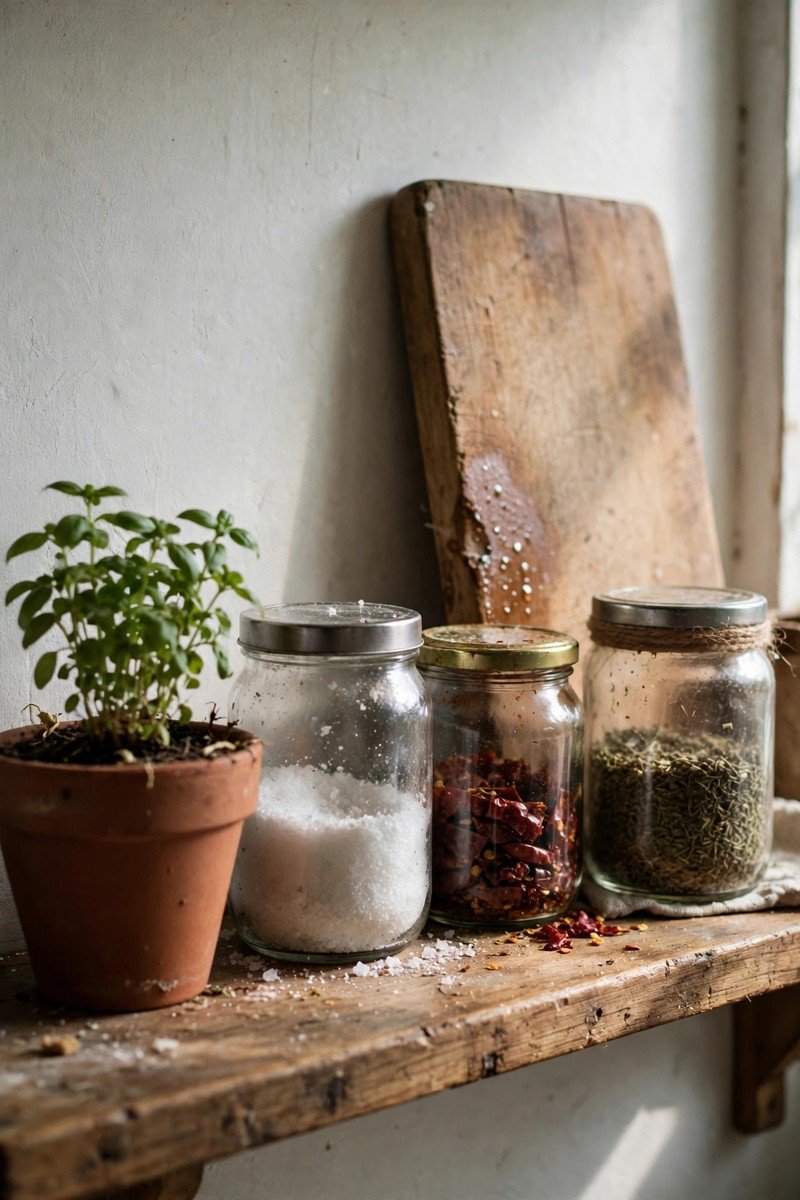
One shelf holds a few cooking basics I reach for while I cook. There is a small jar of salt, a bottle of oil, and a little dish with garlic and onions ready for the pan. I keep this spot near the stove side of the shelves, but not so close that steam reaches it. Having those basics in one place means I am not opening cabinets with wet hands in the middle of cooking.
8. Use Baskets for the Odds and Ends
Not everything looks nice sitting out in the open. Small packets, extra lids, and tea bags used to clutter our shelves until I put them in two simple baskets. One basket holds tea and small packets, and the other holds lids and small kitchen tools. The baskets keep the small stuff together, and I can pull a whole basket down when I need something instead of moving items one by one.
9. Style One Shelf With Plants and a Cutting Board
I keep just one shelf mostly for looks, and it is my favorite one to glance at. A small green plant sits at one end, and a wooden cutting board leans against the wall at the other end. Between them I leave room for a couple of pretty bowls I actually use. This shelf still works hard, but it also makes the kitchen feel warm and lived in, like a home and not a showroom.
10. Keep a Weekly Reset Habit
Open shelves only stay useful if someone resets them now and then. Once a week, usually on a quiet evening, I spend a few minutes putting things back where they belong. I wipe a shelf if it needs it, move a stray cup back to its row, and check if anything has crept in that does not belong there. That short reset keeps the shelves from slowly turning into clutter, and it keeps the whole system working week after week.
Conclusion
Open shelving works best when it fits real life, not just a photo. I keep daily items within reach, heavy things low, and a little room to breathe on each shelf. If you try even two or three of these ideas, your shelves may start to feel less like a display and more like a helpful part of your kitchen.