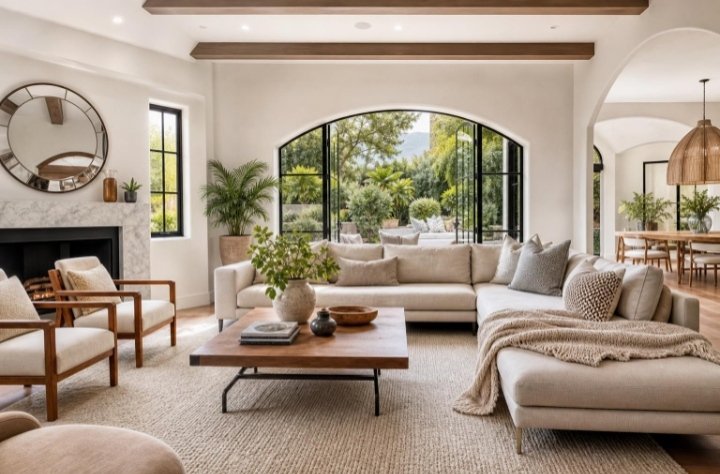
A beautifully decorated home doesn’t always require expensive furniture, luxury accessories, or a complete makeover. Sometimes, the secret lies in the little details that make a space feel balanced, inviting, and thoughtfully put together.
When I look at professionally decorated homes, I notice that everything seems to have a purpose. The colors feel connected, the furniture fits perfectly, and even the smallest accessories look intentional. The best part is that I can recreate this look without hiring an interior designer or spending thousands of dollars.
Here are 12 interior design secrets that can make any home look professionally decorated.
1. Stick to a Cohesive Color Palette
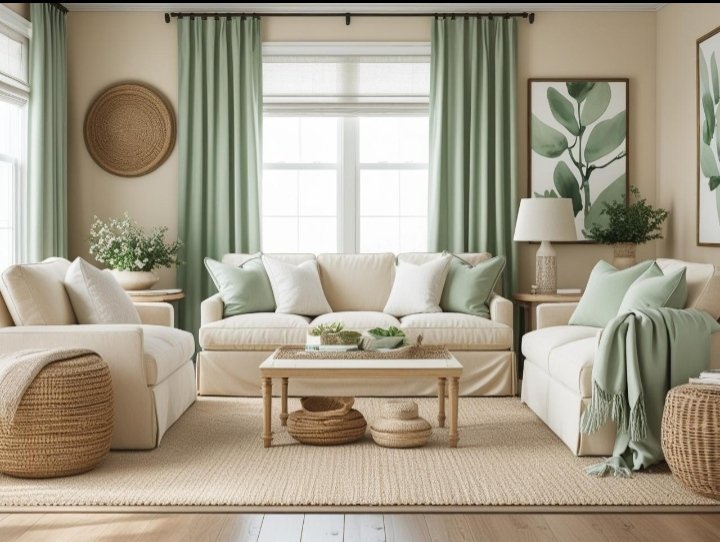
One of the easiest ways to make a home look professionally decorated is to choose a consistent color palette. Instead of using completely different colors in every corner, I like to work with three to five complementary shades.
For example, warm white, beige, soft brown, and sage green can create a beautiful, timeless combination. I can repeat these colors through curtains, cushions, rugs, artwork, and decorative accessories.
This doesn’t mean every room needs to look identical. A consistent color palette simply helps the entire home feel connected and thoughtfully designed.
2. Hang Curtains Higher and Wider
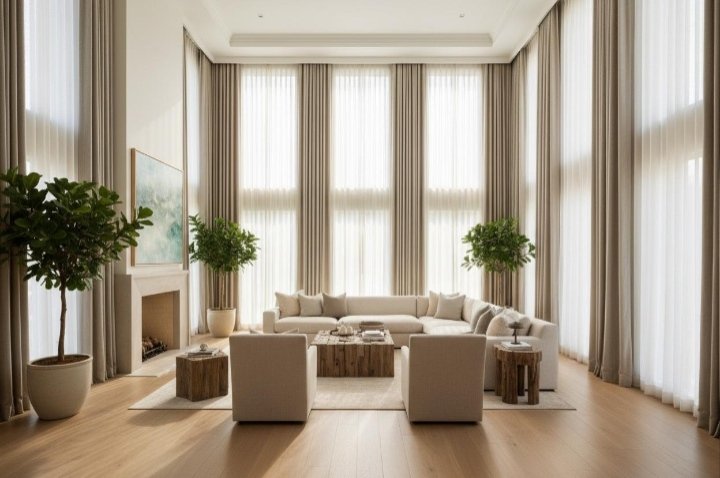
Curtains can make a surprising difference in how a room looks and feels. One common decorating mistake is installing the curtain rod directly above the window frame.
Instead, I prefer hanging the rod closer to the ceiling and extending it beyond the window on both sides. This creates the illusion of taller ceilings and wider windows.
Floor-length curtains also add elegance and softness to a room. Linen, cotton, and lightweight textured fabrics are especially beautiful for creating a relaxed yet polished appearance.
3. Choose the Right-Sized Rug
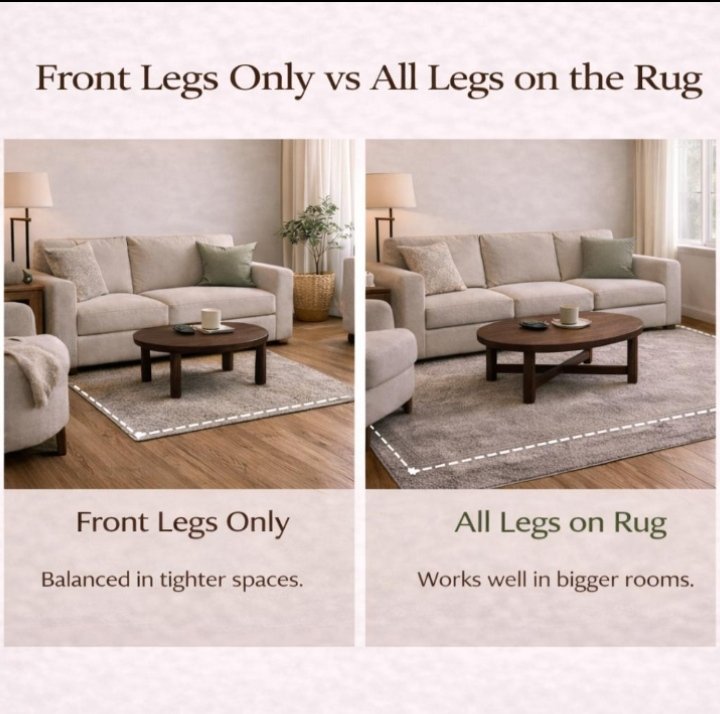
A rug that is too small can make even expensive furniture look disconnected. The right-sized rug, on the other hand, helps bring the entire seating area together.
When decorating a living room, I try to choose a rug large enough for at least the front legs of the sofa and chairs to rest on it. In larger rooms, placing all the furniture legs on the rug can create an even more unified look.
I also pay attention to the rug’s color and texture. A neutral rug works beautifully in a room with colorful furniture, while a patterned rug can add personality to a simpler space.
4. Layer Your Lighting
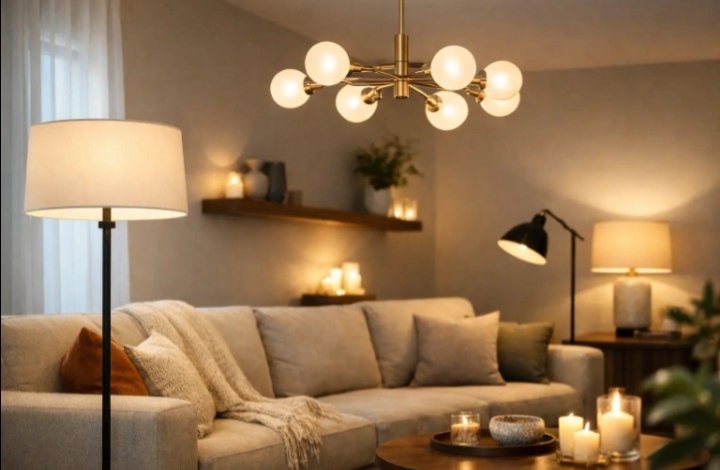
A single overhead light can make a room feel flat and uninviting. Professionally decorated spaces often use multiple lighting sources to create depth and atmosphere.
I like to combine ambient lighting, task lighting, and accent lighting. A ceiling light provides general illumination, a table lamp makes a reading corner comfortable, and wall sconces or decorative lamps highlight specific areas.
Warm-white lighting is especially lovely in living rooms and bedrooms. It creates a cozy atmosphere that feels welcoming in the evening.
5. Follow the Rule of Three

When styling a coffee table, console, or bookshelf, grouping accessories in odd numbers can create a more natural arrangement.
For example, I might place a small vase, a stack of decorative books, and a candle on a coffee table. The different heights and shapes make the arrangement look interesting without feeling overcrowded.
The rule of three is not something I need to follow perfectly every time. It is simply a useful trick for creating balanced displays that look thoughtfully arranged.
6. Mix Different Textures

A room decorated entirely in one color can sometimes feel boring. Adding different textures is an easy way to make it look richer and more sophisticated.
I can combine linen curtains, velvet cushions, wooden furniture, woven baskets, ceramic accessories, and soft rugs. These materials create visual interest even when the color palette remains simple.
For a cozy living room, I love the combination of a soft throw blanket, textured cushions, and natural wood accents. These little details make the space feel warm and inviting.
7. Make Artwork the Right Size
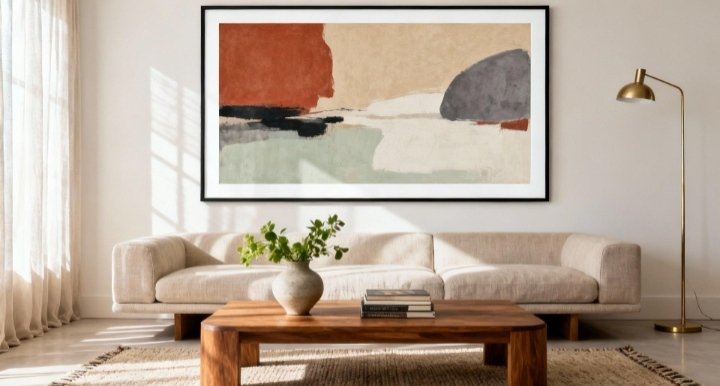
Artwork can completely transform a room, but choosing the wrong size can make the wall feel unbalanced.
When hanging artwork above a sofa, I generally look for a piece or a group of pieces that occupies around two-thirds of the sofa’s width. This creates a balanced relationship between the furniture and the wall.
I also try to hang artwork around eye level rather than placing it too close to the ceiling.
A large framed print, an oversized abstract painting, or a simple gallery wall can make a room feel professionally styled without requiring expensive artwork.
8. Create a Focal Point

Every well-designed room benefits from having a focal point. It could be a fireplace, a beautiful headboard, a statement light fixture, a large artwork, or an eye-catching piece of furniture.
Once I identify the focal point, I arrange the furniture and accessories around it. This gives the room a clear visual direction.
For example, in a living room, the sofa might face the fireplace or a large piece of artwork. In a bedroom, the bed and headboard naturally become the main attraction.
A strong focal point makes a room feel organized instead of visually overwhelming.
9. Leave Some Empty Space
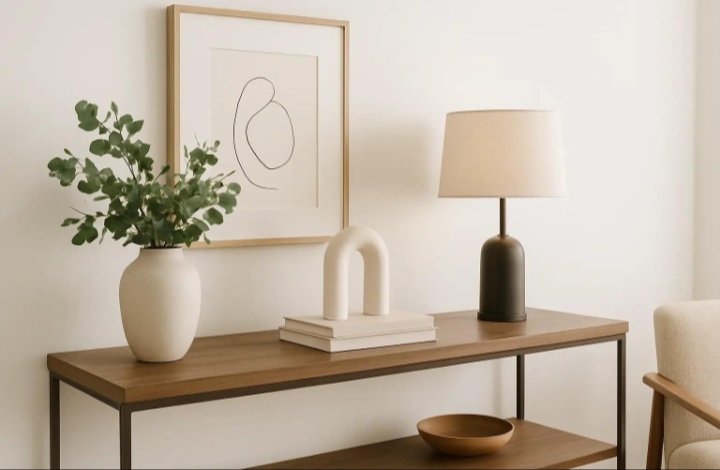
One of the biggest interior design secrets is knowing when to stop decorating.
I don’t need to fill every shelf, wall, corner, or tabletop with something. Empty space allows the important pieces to stand out and gives the room a more relaxed appearance.
Instead of covering a coffee table with several accessories, I might choose just two or three meaningful objects. I also keep walkways clear and avoid placing unnecessary furniture in small rooms.
A little breathing room can make even a modest home feel more luxurious.
10. Choose Furniture That Fits the Room

Furniture proportions matter more than many people realize. A large sectional sofa can overwhelm a small living room, while tiny furniture may look lost in a spacious area.
Before buying furniture, I measure the room and consider how much space is needed for walking and everyday activities.
I also pay attention to the relationship between different pieces. A coffee table should feel comfortable in relation to the sofa, and side tables should be easy to reach.
When furniture fits the room properly, the entire space feels more balanced and functional.
11. Style Shelves With Intention

Beautifully styled shelves usually feature a combination of books, decorative objects, and empty space.
Instead of lining up everything in one straight row, I arrange some books vertically and others horizontally. I add small plants, framed photographs, ceramic vases, or decorative boxes to create visual interest.
I also avoid repeating the exact same arrangement on every shelf. A little variation makes the display feel more natural.
The goal is to create a balanced arrangement that feels collected over time rather than overly coordinated.
12. Add One Statement Piece

A professionally decorated room often has one element that immediately catches the eye.
It could be an oversized mirror, a sculptural pendant light, a colorful accent chair, a large artwork, or an interesting piece of furniture.
I don’t need several statement pieces competing with each other. One thoughtfully chosen item can make the entire room feel special.
For a budget-friendly approach, I can look for secondhand furniture, vintage mirrors, or affordable decorative accessories. Sometimes, a single beautiful piece is all a room needs.
Final Thoughts
A professionally decorated home is not necessarily the most expensive home. It is a space where colors, furniture, lighting, textures, and accessories work together.
When I focus on the details that matter most, even a simple room can look polished and inviting. I can start with small changes, such as rearranging furniture, hanging curtains higher, improving lighting, and removing unnecessary clutter.
The secret is to decorate with intention rather than simply adding more things.
Which of these interior design secrets would you try first to make your home look professionally decorated?