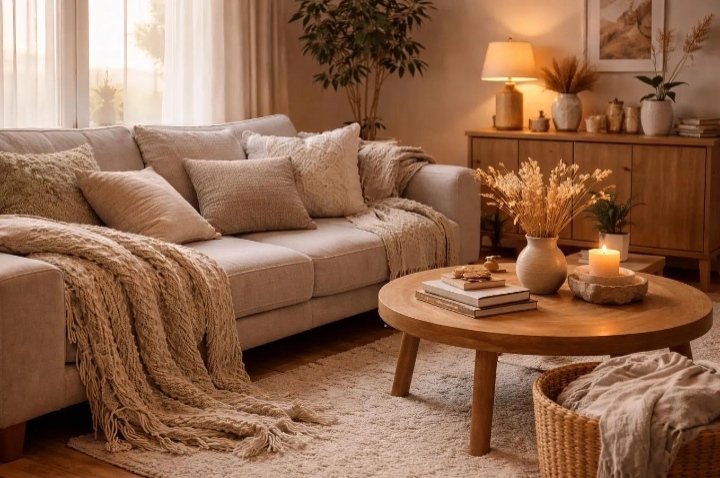
A home can look beautiful in pictures but still feel cold, uncomfortable, or uninviting in real life. Sometimes, the problem isn’t the furniture or the size of the room. It’s the little decorating choices that make a space feel less welcoming.
When I think about a cozy home, I imagine soft lighting, comfortable furniture, warm textures, and a space that feels lived in. The good news is that I don’t need a complete makeover to achieve that feeling.
Here are 11 decorating mistakes that can make a home feel less cozy and how I would fix them.
1. Using Only Bright, Harsh Lighting
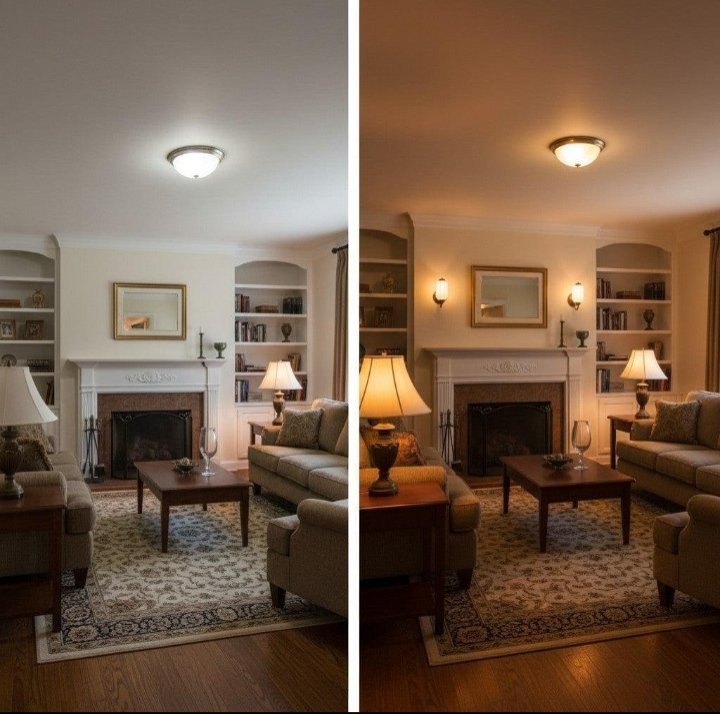
One of the biggest decorating mistakes I notice is relying entirely on overhead lighting. Bright white lights can make a room feel more like an office than a relaxing home.
Instead, I like layering different light sources. A table lamp, floor lamp, or small accent light can instantly make a room feel softer.
How I would fix it: Use warm-white bulbs around 2700K–3000K and add at least one lamp to your living room or bedroom.
2. Choosing Furniture That Is Too Large
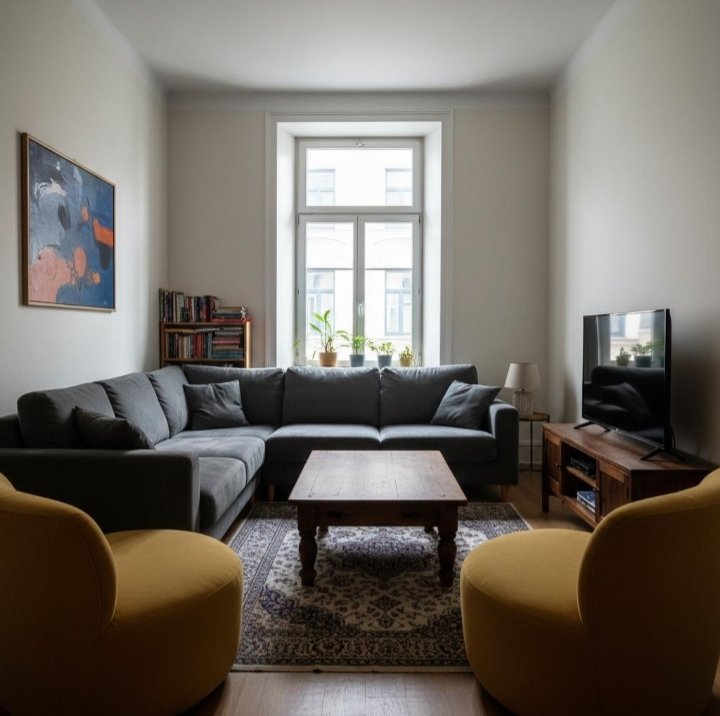
Large furniture can make a room feel crowded, especially when there isn’t enough space to move around comfortably.
A massive sectional, oversized coffee table, or bulky armchair can overwhelm a small room and make it feel less inviting.
How I would fix it: Choose furniture that fits the room’s proportions. Leave enough walking space and avoid filling every empty corner.
3. Forgetting About Soft Textures

A room with too many hard surfaces can feel flat and uncomfortable. Wood, glass, metal, and stone look beautiful, but they need softer elements to balance them.
I love the way a chunky knit blanket, linen curtains, or textured cushions can make a room feel warmer without changing its entire design.
How I would fix it: Mix different materials such as cotton, wool, velvet, linen, and natural wood.
4. Using a Rug That Is Too Small
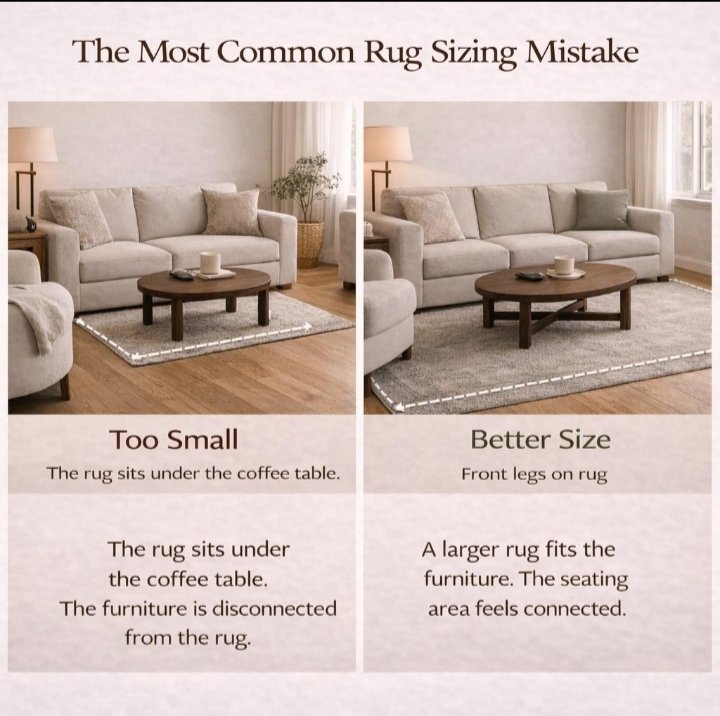
A tiny rug floating in the middle of a living room can make the furniture look disconnected.
The rug should help bring the seating area together rather than looking like a separate decorative piece.
How I would fix it: Choose a rug large enough for at least the front legs of your sofa and chairs to sit on it. This creates a more grounded and cohesive look.
5. Making Everything Match Perfectly
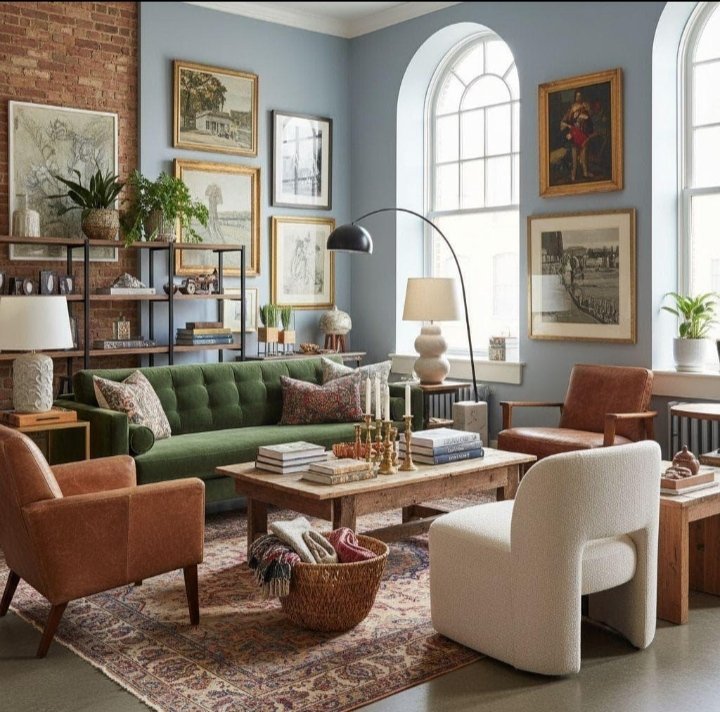
Matching furniture sets can sometimes make a home feel like a showroom instead of a personal space.
I prefer mixing a few complementary pieces. A vintage side table, different cushion patterns, or a contrasting wood finish can add character.
How I would fix it: Keep a consistent color palette, but mix materials, shapes, and styles to create a more natural look.
6. Choosing Colors That Feel Too Cold
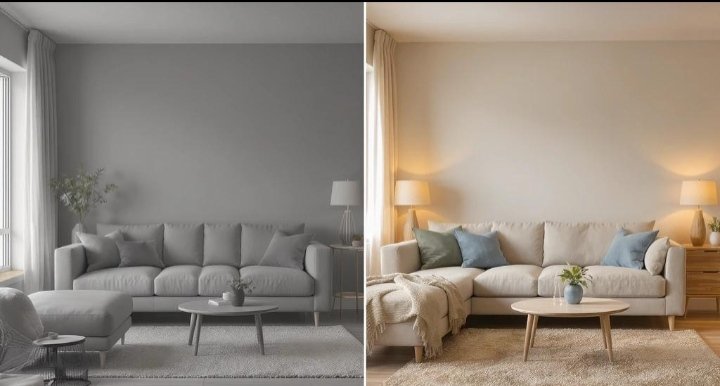
Cool gray, stark white, and icy blue can look elegant, but using too many of them without balancing elements may make a room feel chilly.
That doesn’t mean I need to avoid these colors completely. The trick is to balance them with warmer shades and natural textures.
How I would fix it: Add warm beige, cream, caramel, muted terracotta, or wood tones through smaller decorative pieces.
7. Hanging Curtains Too Low or Too Short
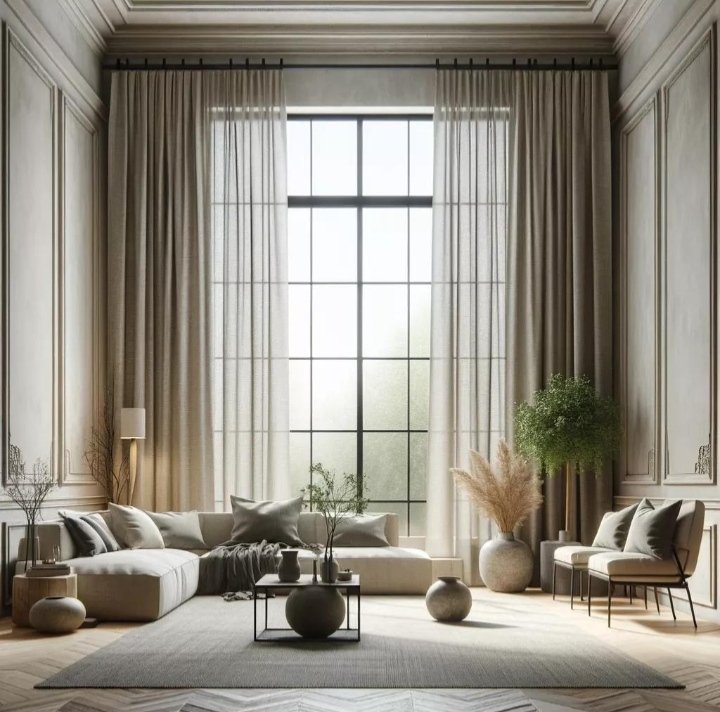
Curtains that stop awkwardly above the floor or are hung too close to the window frame can make a room feel unfinished.
The right curtains can soften the room, make the ceiling appear taller, and create a more comfortable atmosphere.
How I would fix it: Hang curtains closer to the ceiling and choose panels that reach the floor. Linen-look or cotton curtains are lovely for a relaxed feel.
8. Leaving Walls Completely Bare

Minimalism can be beautiful, but completely bare walls sometimes make a home feel impersonal.
A room doesn’t need dozens of decorations. Even a single meaningful artwork or a small gallery wall can make a difference.
How I would fix it: Add framed prints, family photographs, a mirror, or artwork that reflects your personality.
9. Overcrowding the Room With Decorations
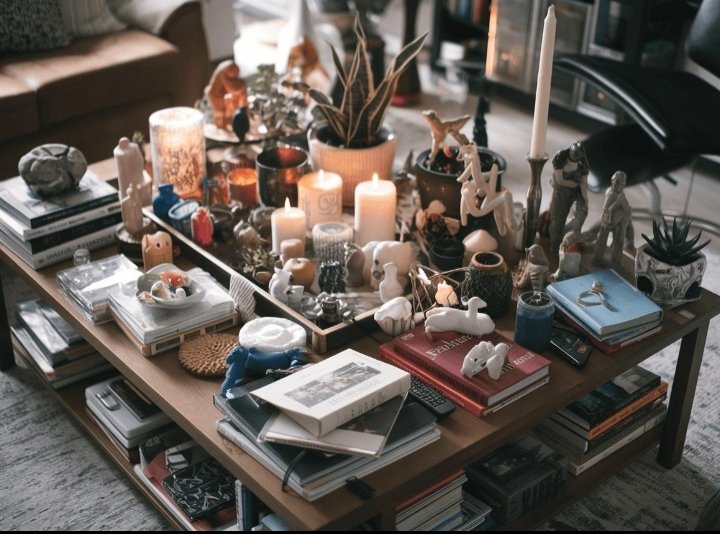
Too many decorative objects can make a room feel visually overwhelming.
When every surface has something on it, the eye doesn’t have a place to rest. This can make even a beautiful home feel less peaceful.
How I would fix it: Group decorations in small arrangements. Leave some empty space on shelves, tables, and countertops.
10. Ignoring the Entryway
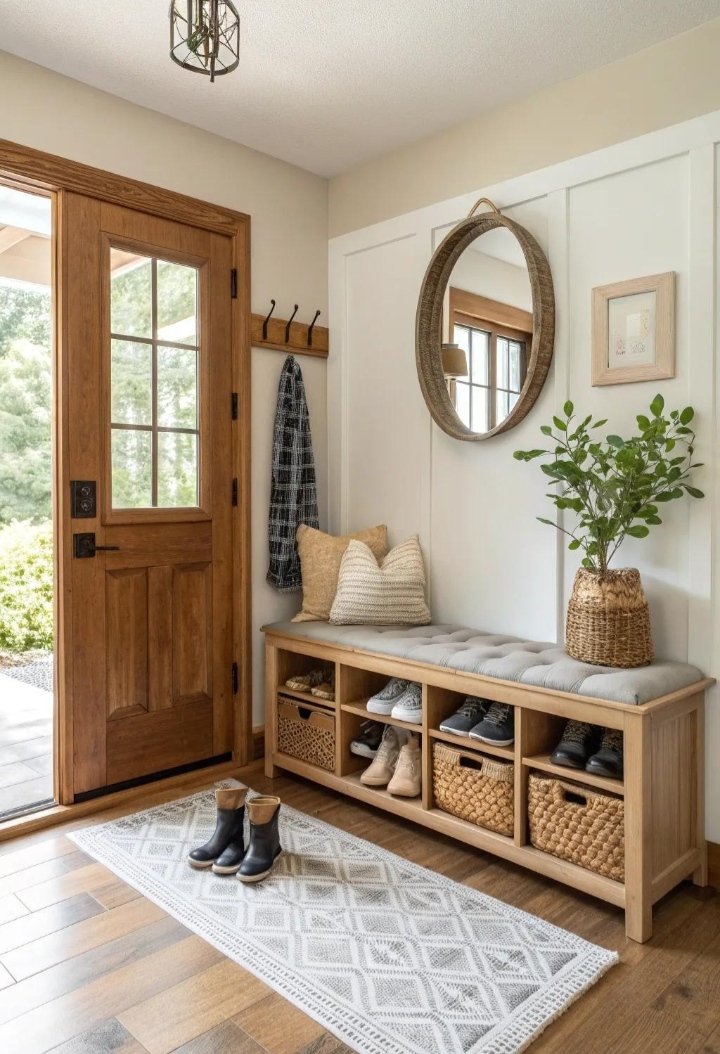
The entryway is the first part of a home I experience when I walk inside. If it feels messy, dark, or unwelcoming, it can affect the overall impression of the space.
Even a small entryway deserves some attention.
How I would fix it: Add a small bench, a basket for shoes, a mirror, or a warm light. For homes without a dedicated entryway, a simple wall hook and a narrow console can work beautifully.
11. Forgetting to Add Personal Touches
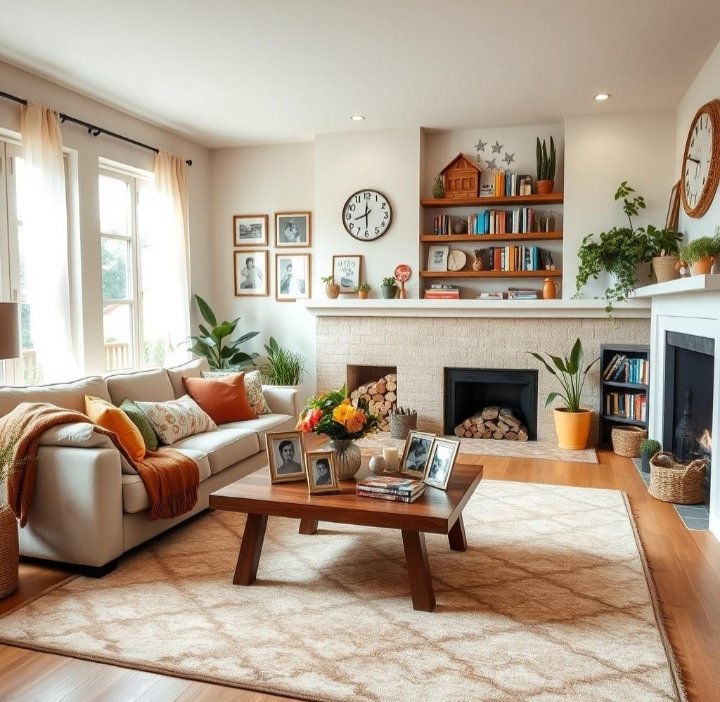
A home can have the most beautiful furniture and still feel incomplete if it lacks personality.
Books, photographs, souvenirs, favorite plants, and meaningful objects help make a space feel like home.
I believe the coziest rooms aren’t necessarily the most expensive ones. They are the rooms that tell a story about the people living in them.
How I would fix it: Display a few things that genuinely mean something to you. You don’t need to buy new decorations to make your home feel personal.
Final Thoughts
Creating a cozy home isn’t about following every decorating trend or spending a fortune on furniture. Sometimes, it’s about making small changes that improve the way a room feels.
I would start with the simplest things: softer lighting, comfortable textures, properly sized rugs, and a little less clutter. These changes can make a noticeable difference without requiring a complete home makeover.
A cozy home should feel welcoming the moment I walk through the door.
Which of these decorating mistakes do you think makes the biggest difference in how a home feels?